
In this article, we will show you how the Famous payroll import file is formatted and where in Pago you can change the data that is included in the import file. The Famous payroll import file is in a fixed width file format.

Column A: ENTRY NUMBER - This value is hard-coded to "0" unless you wish to control the grouping of entries into a specific transaction. Famous creates new transactions whenever Crew or Entry number changes
Column B: EMPLOYEE ID - In Pago, the Employee ID can be found when you view the details of an employee. Workforce > Employee > Click on an Employee. This id value corresponds to the employee account number in Famous.
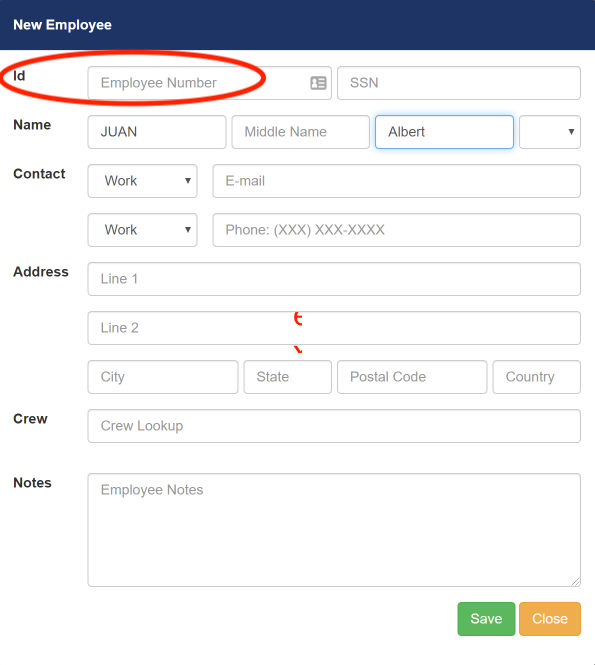
Column C: EARNING CODE - In Pago, the earning code values are hard-coded into the system.
Column D: MULTI-CHECK - Always 1 unless you wish to create multiple checks for an employee.
Column E: STATE CODE - State employee worked in.
Column F: DATE - In Pago, this is the date of the work assignment.

Column G: WEEKS WORKED - The total weeks worked wy default it is hard-coded to "0".
Column H: DAYS WORKED - The total Days worked by default it is hard coded to "0".
Column I: HOURS - If working hourly, this column would be the total hours worked. However, if the employee was getting paid piece rate this column would include rest and recovery as well as non-productive-time.
Column J: UNITS - The number of pieces if the employee is being paid for piecework. This section can also include Rest Penalties.
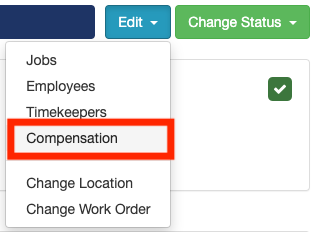
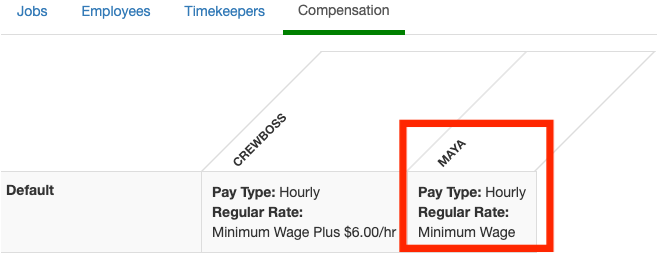
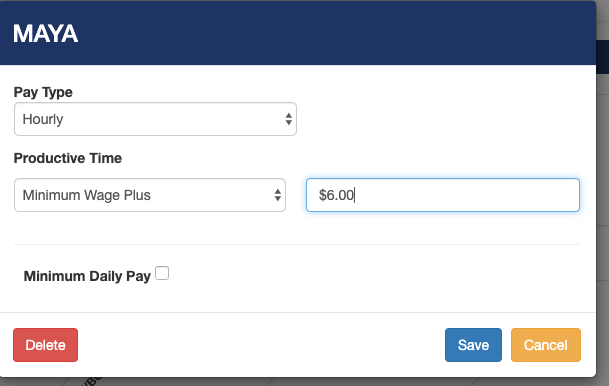
Column K: RATE - In Pago, this is the rate at which the employee will get paid. This rate can be set in the job compensation plan. Work Assignments > Select a work assignment > Edit > Compensation Select a job. (Please note: if you set the job compensation for a work assignment it will only be set for that work assignment. Otherwise, job compensation is set for the job in the contract). If job compensation is set to Employee Rate, then you can find the employee's pay rate in the employee wage history details. Workforce > Employees > Click on an Employee > Wages. The effective date of the wage history will determine the employee wage rate in effect at the time of the work assignment. If there is no employee wage rate in effect at the time of the work assignment, then Pago will default the employee wage rate to minimum wage.
 .
. 
Column L: TOTAL - Rate x Units or Hours x Rate.
Column M: AG FLAG - Work performed was Ag?
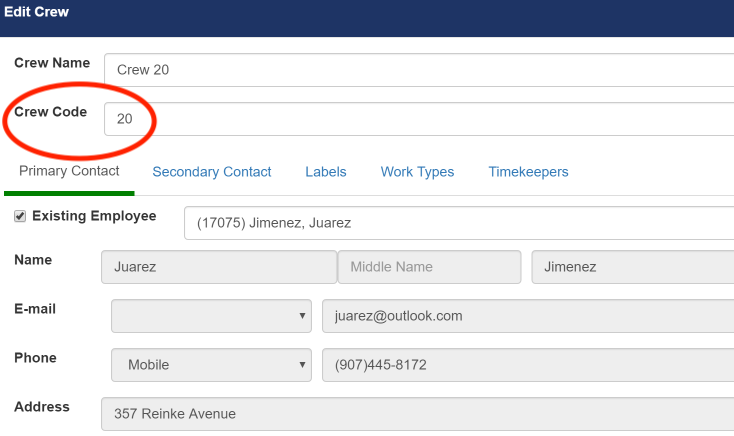
Column N: CREW NUMBER - In Pago, the crew code can be found when you view the details of a crew. Workforce > Crews > Click on a Crew. This number is the crew number in Famous.
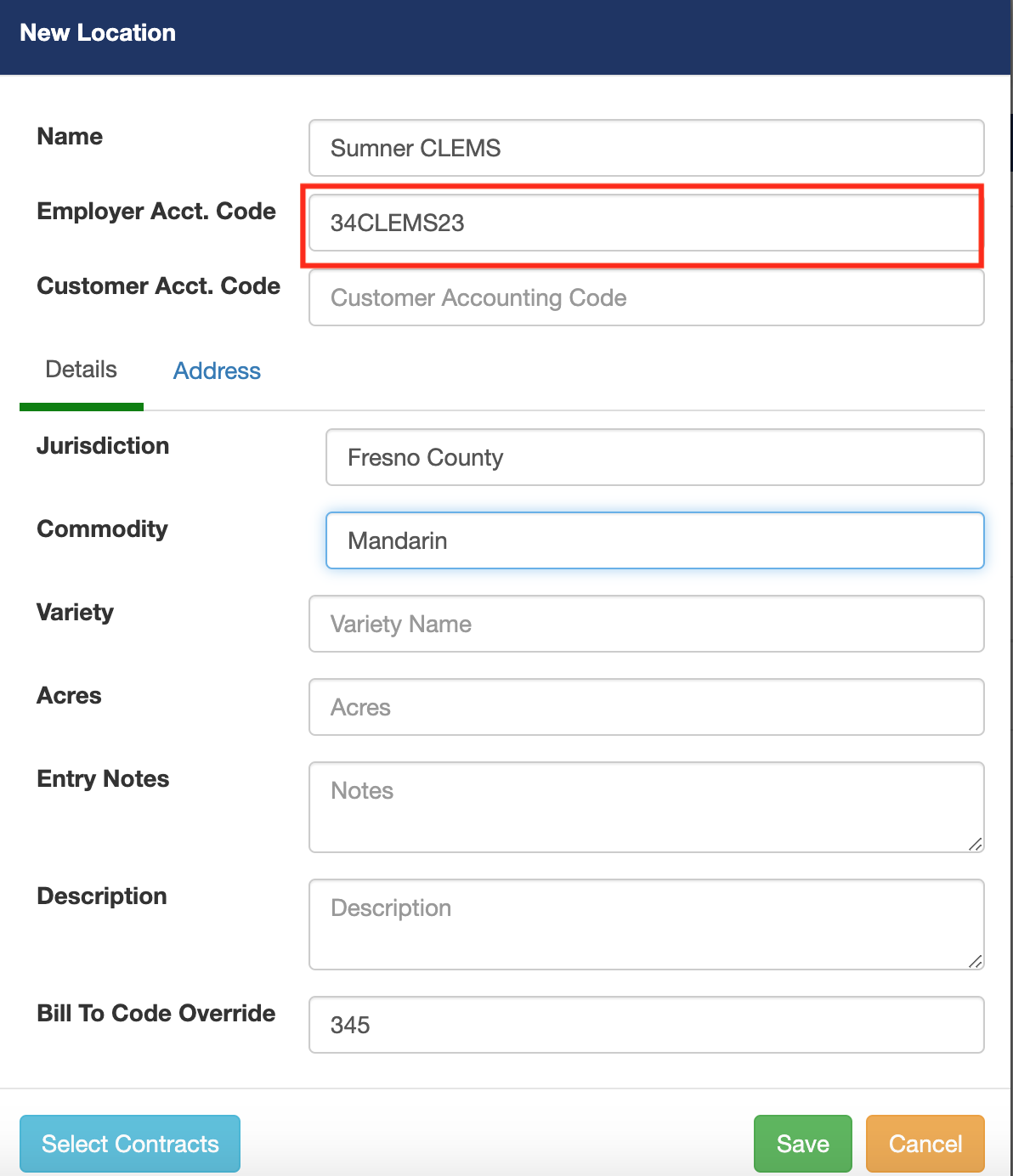
Column O: EMPLOYER ACCOUNTING CODE/CROP ID - In Pago, the employer accounting code is found in the location details. Customers > Click on a Customer > Click on Locations. In Famous, this is the location Id value.
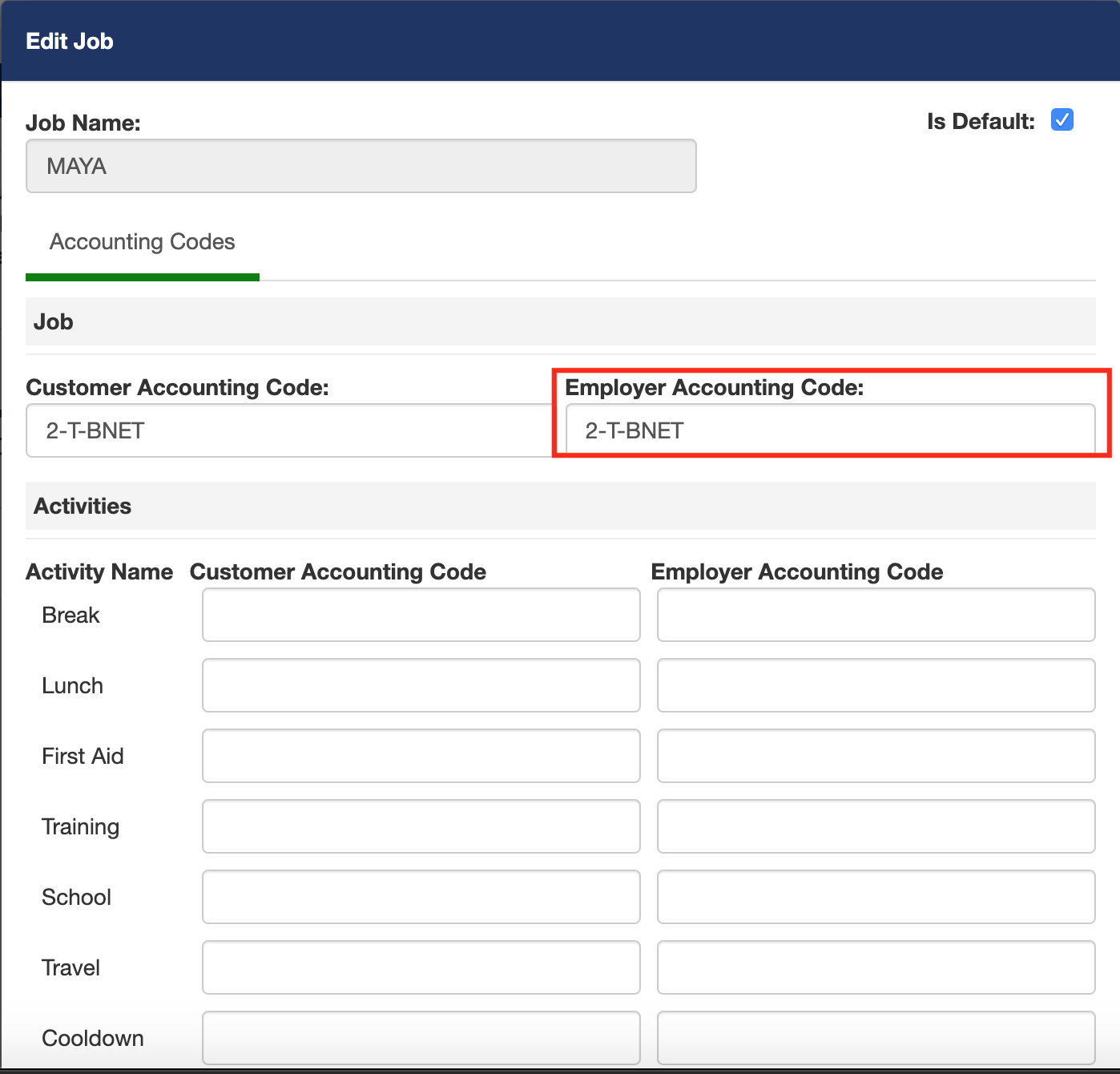
Column P: JOB ID - In Pago, the job id is in the details of the job. Customers > Click on a Customer > Click on a Contract > Click on a Work Type > Select a Work Type > Click on Jobs. The Job Id is the Employer Accounting Code value from the job.
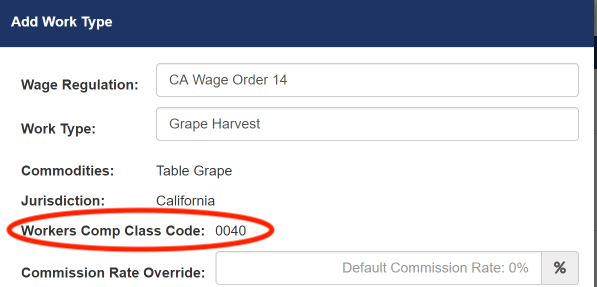
Column Q: WORKERS COMP CODE - The Worker's Comp Code utilized for the work assignment this value is hard coded. The Worker's Comp Code is first created when creating a work type. It is based on the Wage order and work type. Once you create a work type you cant edit the worker's comp code.
Column R: GUARANTEED MIN WAGE -
Comments
0 comments
Article is closed for comments.